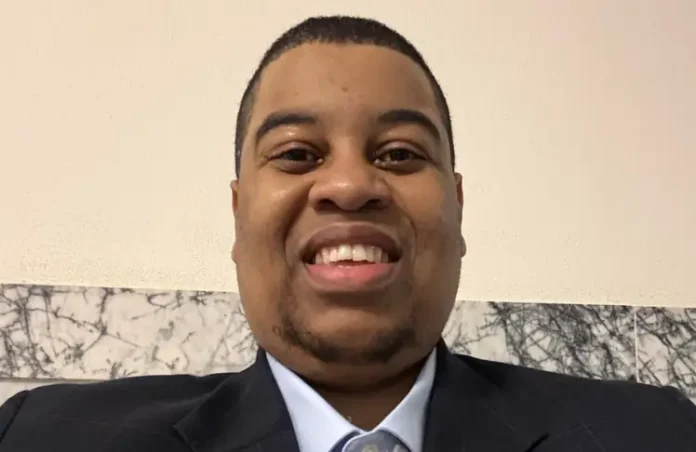
The Seattle Medium’s Rhythm & News Podcast recently featured an insightful interview with Anthony Smith, a student journalist interning during this year’s legislative session in Olympia. Smith has been diligently covering pivotal legislative proposals that hold the potential to significantly alter Washington’s tax framework, educational policies, and food security measures. Among the notable bills he has been tracking are the contentious “millionaire’s tax” and proposed regulations on the use of artificial intelligence in educational settings.
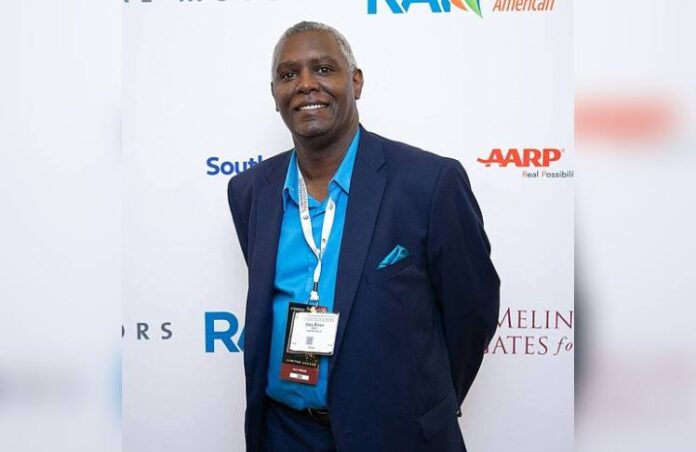
A recent report by the Joint Center for Political and Economic Studies indicates that Black America is already facing a recession, characterized by significant job losses and declines in housing, broadband access, federal employment, and artificial intelligence policy. The 2025 economic downturn has had a disproportionate impact on Black Americans, underscoring systemic inequities. NNPA Senior National Correspondent Stacy Brown joins the Rhythm & News Podcast to share more on this study.
As more Americans pursue independence in their careers, solopreneurship is emerging as a transformative force in the small business landscape. These entrepreneurs operate businesses single-handedly, relying solely on their own hustle, strategy, and vision. Whether as a side hustle or a full-time endeavor, the trend of solopreneurship is gaining momentum. Sheila Winston, business consultant with Chase, joins the Rhythm & News Podcast to share more.
Centers for Disease Control and Prevention data released Tuesday shows an alarming trend: a sharp increase in the number of pregnant women diagnosed with syphilis, a sexually-transmitted infection that if left untreated puts children at risk for a range of issues, including blindness.
And while the upward trajectory has accelerated — due in part to late prenatal care, or none at all, according to experts — maternal syphilis isn’t affecting all populations equally.
According to the CDC’s National Center for Health Statistics, the national rate of maternal syphilis more than tripled between 2016 and 2022, with early estimates showing that in 2024, the numbers jumped another 28%. Black mothers have seen a 30% increase in maternal syphilis rates and the increase among white women was 23%.
The biggest increase, however, was among American Indian and Alaska Native mothers, according to the data. Their infection rate jumped by 52%.
Research indicates a combination of better testing detection and a true rise in infections across several racial and ethnic groups is fueling these growing numbers.
How We Got Here
Maternal syphilis happens when several systems intended to protect pregnant women break down, experts say. Besides an absence of quality prenatal care, women are susceptible to the infection during pregnancy if they miss follow-up visits after a diagnosis as well as social vulnerability that affects every aspect of maternal healthcare.
“Delayed access to prenatal care was also associated with maternal syphilis, as more than one-third of the women [with infections] did not have a perinatal visit in the first trimester,” Dr. Robert L. Cook told JAMA Network Open in an article published last month.
The U.S. has the worst maternal mortality rates among developed countries, with women dying from childbirth at rates that are multiple times higher than many peer nations. Black women are the most vulnerable group: in 2023, their maternal death rate was three to four times the rate of white women; the rate ticked up higher in 2024.
While there’s no indication that syphilis infection is a factor in maternal mortality crisis, the infection increases health risks for infants. In fact, the rate of congenital syphilis — when the disease is transferred from the mother to the fetus — is a major concern. The U.S. experienced an almost sevenfold increase in diagnoses of congenital syphilis between 2015 and 2024. Congenital syphilis cases have tripled in recent years and nearly 4,000 cases were reported in 2024 alone. That’s the highest number in a single year since 1994, according to the CDC.
Shooting for the Moon, Missing the Mark
Speaking with JAMA, Cook noted that the medical and public health communities had put syphilis in its crosshairs, hoping to eradicate the infection. As part of that effort, many states required pregnant women to be screened early, testing them again during their third trimester and during labor and delivery.
But many states don’t require syphilis tests for pregnant women.
“Twenty years ago, the U.S. public health system confidently presented a plan to eliminate syphilis,” he said. But the plan, Cook said, has “not gone as intended, and pregnant women and their offspring are now bearing the brunt.”
Cook noted that other research found “syphilis rates among pregnant women in Mississippi “increased nearly 10-fold between 2018 and 2023.” Meanwhile, the overall infection rate and the rate for men have both decreased over the same time period. In the early 2020s, most states began prescribing the antibiotic doxycycline to men who had an increased risk for the disease but hadn’t been infected, which may have protected them from it. But the drug is unsafe for pregnant women and isn’t recommended for women in general.
Meanwhile, the U.S. last year had a shortage of the only injectable antibiotic approved for treating syphilis in pregnant women.
Researchers say the rate of infection among pregnant women is rising because of barriers to prenatal care, economic insecurity, limited health insurance coverage, and systemic inequities that contribute to delayed or missed treatment. There’s also some concern that recent staffing and budget cuts at the CDC will limit the ability to track the epidemic’s spread and to hire the public health workers needed to reverse this trend.
Syphilis during pregnancy is treatable with antibiotics, which can prevent transmitting it to the fetus. Infected infants can face a host of adverse outcomes including brain and nerve disorders, low birthweight, preterm birth and fetal or neonatal death.
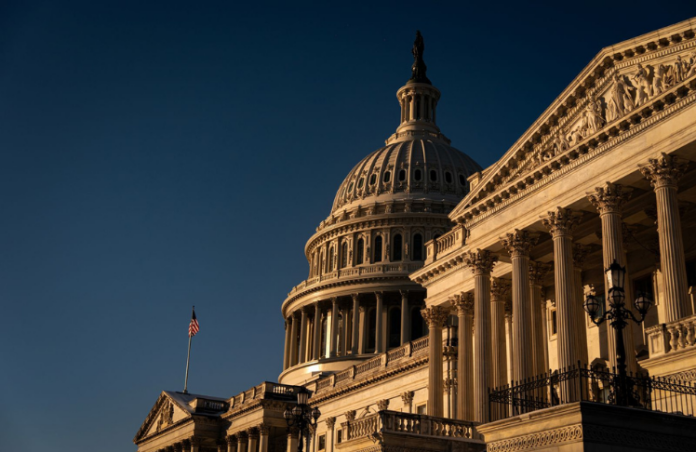
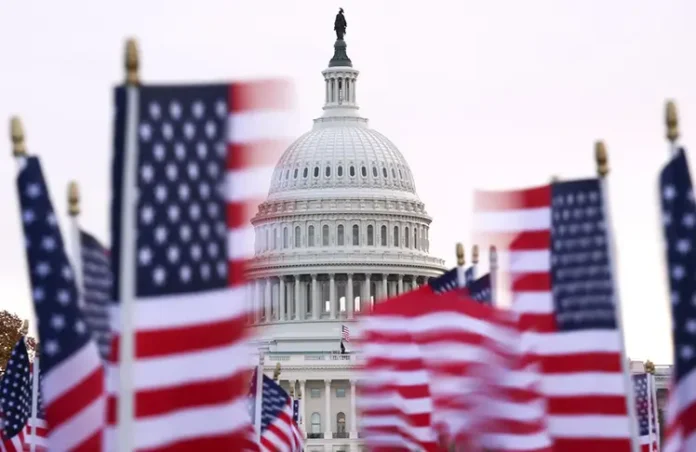
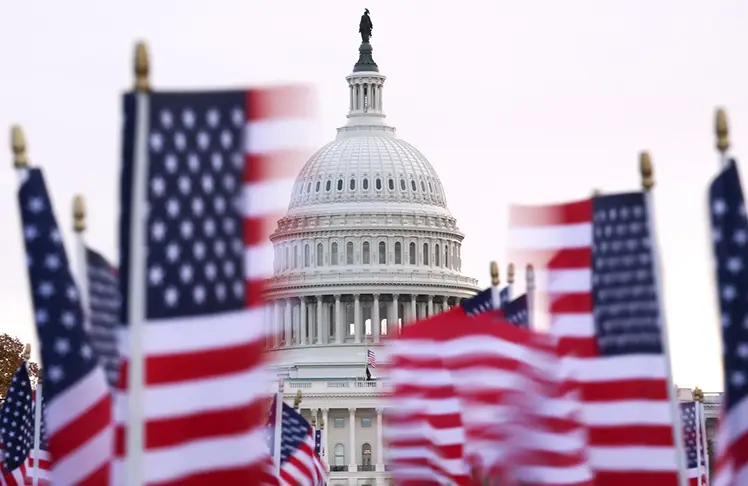
The US Capitol in Washington, DC, on January 29. (Al Drago/Bloomberg/Getty Images via CNN Newsource)
The US Capitol in Washington, DC, on January 29. (Al Drago/Bloomberg/Getty Images via CNN Newsource)
By Morgan Rimmer, Ted Barrett, Manu Raju, CNN
(CNN) — Senate leaders have a bipartisan funding deal in hand but it remains to be seen whether they will avert a costly government shutdown as the clock ticks down toward Friday’s midnight deadline.
Lawmakers left Capitol Hill late Thursday after all rank-and-file senators could not come to agreement to swiftly move the spending package – the contours of which negotiators from both parties and the White House struck earlier in the day.Senators are set to return Friday with an eye toward sending the bills back to the House for final approval, but negotiations can change rapidly.
“I hope we can get these issues resolved. Right now, we got snags on both sides, but tomorrow’s another day,” Senate Majority Leader John Thune told reporters as he left the US Capitol.
Any one senator can object to quick consideration of a measure on the floor, slowing down the process.
The deal, announced by Minority Leader Chuck Schumer hours before, includes a two-week stopgap funding extension for the Department of Homeland Security that Democrats had requested. It also separates the DHS bill from a package of bipartisan spending bills to fund critical agencies through September, including the departments of Defense, Health and Human Services, Labor, Education, Transportation and Housing and Urban Development.
If the Senate is successful Friday, however, final passage could still be delayed until Monday – past the official shutdown deadline – as the House would have to return to Washington from its week-long recess. Speaker Mike Johnson, so far, has been non-committal on when exactly that might be but swift approval by his chamber could blunt impacts of any lapse in funding to the federal workforce.
Negotiations appeared to stall late Thursday evening, but the pace at which they had moved in recent days underscored the White House’s desire to avoid another prolonged federal funding fight. It also stood as a tacit acknowledgement of the political risks of ignoring the public outcry over ICE’s harsh tactics.
GOP leaders ultimately moved toward Democrats’ demands, stripping the DHS bill from the larger funding package and instead temporarily funding the department while the two parties debate broader reforms to US Immigration and Customs Enforcement, two of the sources said.
The two-week extension to DHS funding is the time frame that Senate Democrats had been pushing for and shorter than what the White House had initially offered. Still, President Donald Trump urged lawmakers to back the deal.
“Republicans and Democrats in Congress have come together to get the vast majority of the Government funded until September, while at the same time providing an extension to the Department of Homeland Security (including the very important Coast Guard, which we are expanding and rebuilding like never before),” Trump wrote on Truth Social after the deal was announced. “Hopefully, both Republicans and Democrats will give a very much needed Bipartisan ‘YES’ Vote.”
Not all were easily convinced.
GOP Sen. Lindsey Graham told reporters that he was one of the senators blocking the package, calling it a “bad deal.” The South Carolina Republican objected to a renegotiation of the DHS funding bill, arguing that ICE agents were being “demonized” and calling the way they’ve been treated “unconscionable.”
Graham was not the only Republican with concerns, Thune said.
Schumer would not say anything about Democratic holds, but chastised Graham and Republicans, saying, “They need to get their act together.”
Eleventh-hour talks
Capitol Hill leaders and the White House were in talks throughout the day on how to move forward on spending, seeking to avoid a partial federal funding lapse at the week’s end.
While an initial vote to advance a House-passed, six-bill funding package failed earlier in the day, hours later negotiations were down to a final sticking point on how long to temporarily extend funding for DHS after stripping it from the broader package.
Democrats, keen to seize on widespread discontent after the deadly shootings of two US citizens in Minneapolis this month, said they would not support a short-term funding extension for DHS that lasts more than two weeks. The Trump administration, meanwhile, pushed for six.
“More people can get killed in two weeks,” Connecticut Sen. Chris Murphy told CNN.
Sen. Markwayne Mullin, however, argued Congress would need at least two weeks procedurally to renegotiate, consider and pass a new DHS funding bill.
“It’s too short. We can’t do it in two weeks,” the Oklahoma Republican told reporters.
“By the time you go through the amendments, you go through cloture, you go through all that, it’s probably not enough. We asked for six – I mean, we may settle at three, we may settle at five, we may settle at six, I don’t know. But two, if that’s what they’re insisting — OK, maybe. But they got to be realistic on the time frame,” Mullin said.
Seven conservatives had joined all Democrats to block the broader funding package from moving forward. But Thune expressed confidence that lawmakers would back a final deal with “a good, strong vote on both sides.”
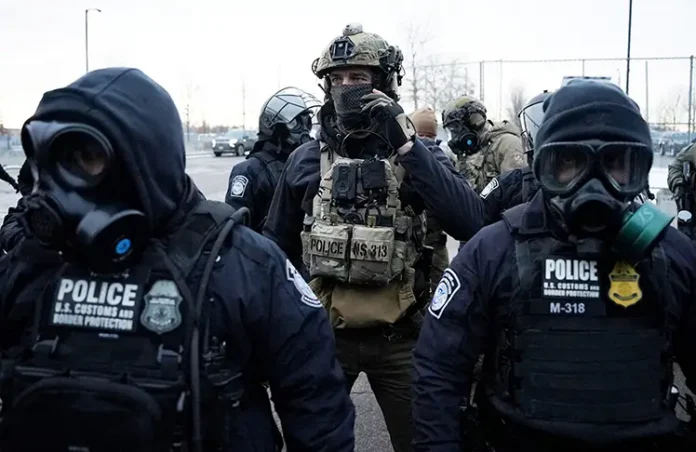
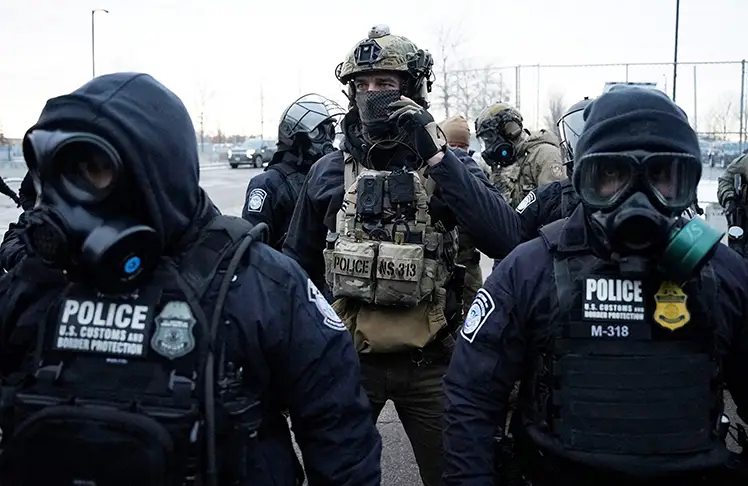
The push in the Senate Thursday came after Schumer had laid out his caucus’ demands the day before. The changes to ICE tactics and protocols that the party wants to see included in any funding bill for DHS are: tightening the use of warrants and end roving patrols, enforcing a code of conduct comparable to force policies for state and local law enforcement, and for ICE agents to remove their masks and wear body cameras.
However, even if DHS were to go unfunded, ICE will remain operational through funding that stems from Trump’s domestic policy package that was passed last summer.
This headline and story have been updated with additional developments.
Law enforcement officials stand guard, in front of the Bishop Henry Whipple Federal Building, during a protest more than a week after an ICE agent fatally shot Renee Nicole Good, in Minneapolis, Minnesota, on January 17. (Seth Herald/Reuters via CNN Newsource)
Law enforcement officials stand guard, in front of the Bishop Henry Whipple Federal Building, during a protest more than a week after an ICE agent fatally shot Renee Nicole Good, in Minneapolis, Minnesota, on January 17. (Seth Herald/Reuters via CNN Newsource)
A series of rulings from the Supreme Court and federal appeals courts have overturned early victories secured by opponents of Trump’s immigration blitzes in California, Chicago and Minnesota.
The administration’s latest win came Monday, when a three-judge federal appeals court panel indefinitely paused a Minneapolis judge’s decision to put tight guardrails on how agents can respond to individuals peacefully protesting Operation Metro Surge, which has sparked intense opposition in the Twin Cities and led to the fatal shooting of two US citizens by federal officers.
The preliminary injunction issued earlier this month by US District Judge Katherine Menendez, the 8th US Circuit Court of Appeals concluded, was overbroad and vague and thus could not remain in effect for now. The two judges that voted to fully grant the administration’s request to shelve Menendez’s ruling were Trump-appointee David Stras and Bobby Shepherd, who was appointed by former President George W. Bush.
Trump and his allies have long complained that lower court judges have acted out of bounds in cases challenging his agenda, particularly in the immigration context, over which they argue he has broad, unreviewable authority.
Seizing on the appeals court ruling Monday, Attorney General Pam Bondi attacked Menendez, an appointee of former President Joe Biden, as a “liberal” judge who “tried to handcuff our federal law enforcement officers, restrict their actions, and put their safety at risk when responding to violent agitators.”
“The 8th Circuit has fully agreed that this reckless attempt to undermine law enforcement cannot stand,” she said.
(The third judge on the panel, Bush-appointee Raymond Gruender, partially dissented, saying he would have kept intact part of Menendez’s ruling that barred federal agents from using pepper spray and other non-lethal munitions against peaceful protesters.)
The appellate court rulings reflect a basic legal reality: Losers can quickly become winners – if even in the short-term – as cases are reviewed by higher courts. But they also underscore the tricky position federal judges sifting through a variety of challenges to Trump’s aggressive immigration enforcement efforts have found themselves in.
“District judges, both historically and just by practice, tend to be much more practical and functional in how they approach legal questions. A district judge thinks of him or herself oftentimes as a problem-solver,” said Steve Vladeck, CNN Supreme Court analyst and professor at Georgetown University Law Center.
“Circuit judges tend to be more removed from the ground and more removed from the urgency of a situation and really approach these cases more as legal abstractions in a context in which there aren’t really clear precedent because most of what the federal government’s doing is so unprecedented,” he added.
Trump’s imprint on the federal judiciary during his first term is also part of the equation. With the help of a GOP-controlled Senate, the president several years ago was able to appoint scores of conservative judges to the nation’s appeals courts – a key priority for former Senate Majority Leader Mitch McConnell, who noted in an interview last year the “lasting impact” the slew of appointments would have on the country.
“The 8th Circuit is a deeply right-leaning – if not right-fixed – appellate court that is full of judges who are both appointed by President Trump and probably sympathetic to a lot of what he’s doing,” Vladeck said.
Staying in their lane?
With its five Trump appointees, the Chicago-based 7th US Circuit Court of Appeals has taken a similar approach to the 8th.
The court twice intervened on the administration’s behalf last year after a judge tried to curtail the actions of immigration agents in the Windy City and closely monitor compliance of an earlier order that limited the use of force against journalists and protesters.
An emergency order issued in early October by US District Judge Sara Ellis, an appointee of former President Barack Obama, came as confrontations between local protesters and agents who had descended on the city resulted in dramatic episodes involving tear gas and pepper balls. Ellis said agents could not use such non-lethal projectiles and chemical irritants, or force “such as pulling or shoving a person to the ground, tackling, or body slamming an individual.”
Amid reports by the protesters, journalists and clergy who brought the case that Ellis’ order was being violated, the judge later ordered Greg Bovino, a top Border Patrol chief who was at the time overseeing the enforcement operation in Chicago, to appear before her daily so she can receive updates on how his agents were complying with it.
“I know my lane and I will stay in my lane,” Ellis said last year. “I’m not going to tie the agents’ hands because I’m not out there and that’s not my job. But I am going to expect that they know and understand their responsibilities on the use of force.”
But days later, following a swift appeal by the administration, the 7th Circuit determined Ellis had indeed stepped out of her lane.
The appeals court wiped away Ellis’ order requiring Bovino’s daily check-ins, concluding that it wrongly set the district court up as “a supervisor of Chief Bovino’s activities, intruding into personnel management decisions of the Executive Branch.”
“The order infringes on the separation of powers,” the appeals court said in the brief, unsigned ruling.
Weeks later, after Ellis issued a more durable ruling restricting the activity of federal agents in Chicago, the appeals court again sided with the administration, ruling that her preliminary injunction swept up too many defendants, was “too prescriptive” and infringed too much on Executive Branch prerogatives.
“For example, it enumerates and proscribes the use of scores of riot control weapons and other devices in a way that resembles a federal regulation,” the panel, comprised of Trump-appointees Michael Brennan and Michael Scudder, and Ronald Reagan-nominee Frank Easterbrook, concluded.
At the Supreme Court
In what was perhaps the most high-profile district court reversal, the Supreme Court, without offering any explanation for its decision, in September lifted a California judge’s order that limited federal agents’ ability to make immigration stops based largely on a person’s apparent ethnicity, language or their presence at a particular location, such as a farm or bus stop.
Trump helped cement a conservative super-majority on the high court during his first term with the appointment of three justices. One of them, Brett Kavanaugh, wrote a lengthy concurrence in the California case to explain that the factors the agents were leaning on for stops “taken together can constitute at least reasonable suspicion of illegal presence in the United States.”
“If the person is a U. S. citizen or otherwise lawfully in the United States, that individual will be free to go after the brief encounter,” Kavanaugh wrote.
That September decision, which came over the public dissent of the court’s three liberal justices, effectively blessed what critics describe as “roving patrols” and gave the administration a major win as it sought to continue an aggressive immigration enforcement operation in the Golden State.
“This is a win for the safety of Californians and the rule of law,” Department of Homeland Security spokesperson Tricia McLaughlin said at the time. “DHS law enforcement will not be slowed down and will continue to arrest and remove the murderers, rapists, gang members, and other criminal illegal aliens.”
As Trump’s operation in Minnesota continues, such potential higher court reversals are looming large over Menendez, who is considering a joint request from the state and the Twin Cities to end Operation Metro Surge, which they claim is unconstitutional.
Menendez appeared wary earlier this week of overstepping her authority in the matter, noting during a critical hearing that “not all crises have a fix from a district court.”
“It must be that work is being done elsewhere to try to bring an end to what’s described here, not just counting on a single district court issuing a single injunction, which would inevitably and very quickly go to the Eighth Circuit,” she said.
The US Capitol is shown on November 11, on Capitol Hill in Washington, DC. (Win McNamee/Getty Images via CNN Newsource)
The US Capitol is shown on November 11, on Capitol Hill in Washington, DC. (Win McNamee/Getty Images via CNN Newsource)
By Tami Luhby, CNN
(CNN) — The federal government is on the verge of partially shutting down, with Senate Republicans and Democrats at an impasse over funding the Department of Homeland Security after the recent fatal shooting of a US citizen during a protest in Minneapolis. It would come less than three months after a record-long, full government shutdown ended.
Now, federal funding for many — but not all — government agencies is set to run out after January 30, which would force them to shut down if lawmakers don’t reach an agreement. Several agencies, including the departments of Agriculture, Veterans Affairs, Interior, Energy, Justice and Commerce, will not be affected since Congress has passed legislation fully funding them for the rest of the fiscal year.
That means tens of millions of people are not in danger of losing their Supplemental Nutrition Assistance Program, or SNAP, benefits this time. In the most recent shutdown, some food stamp recipients had to wait days or even a few weeks to get their payments, leaving them scrambling to find way to put food on the table for themselves and their families.
Still, even a partial government shutdown could cause a lot of pain. Travelers could face delays at airports; many federal workers could miss paychecks, and people may not be able to obtain certain federal loans to buy homes or operate small businesses.
Although Republicans control Capitol Hill and the White House, they need at least seven Democrats in the Senate to join them to pass a spending package under the chamber’s rules. The House last week approved legislation to fund the rest of the government through the end of the fiscal year on September 30.
But Senate Democrats see Friday’s funding deadline as an opportunity to push for reforms in DHS’ immigration enforcement operations. The chamber’s leaders are working with the White House on a deal to avert the shutdown.
President Donald Trump is no stranger to government shutdowns. He also presided over one in his first term, which lasted 35 days and had been the longest on record until last year.
Here’s what we know about the potential government shutdown:
What is a government shutdown?
Congress must provide funding for many federal departments and functions every fiscal year, which begins on October 1. If lawmakers fail to pass a spending package for the full year or extend funding for a shorter period, known as a continuing resolution, then many agencies and activities must shutter until Congress appropriates more money.
If none of the 12 appropriations bills that make up the federal discretionary spending budget passes both chambers, the government fully shuts down.
But since Congress has approved annual funding for certain agencies since the last shutdown ended, they can continue operating while other federal departments go dark. So the current impasse could result in a partial shutdown.
What is the shutdown deadline?
The partial shutdown would begin on January 31 if Congress did not act before that.
The affected agencies would include DHS, Defense, Education, Health and Human Services, Housing and Urban Development, Transportation, State, Labor and Treasury, among others. They account for more than three-quarters of federal discretionary spending, said Rachel Snyderman, managing director of economic policy at the Bipartisan Policy Center.
What programs and payments will stop?
Every government shutdown differs somewhat but typically functions that are critical to the protection of lives and property are deemed essential and remain open. Other operations close down until Congress approves a funding package for the rest of the current fiscal year.
Some of a shutdown’s impact is known in advance. Agencies file what are known as contingency plans that detail what operations will continue and how many employees will remain on the job, many of them without pay. However, in an unusual move, the White House Office of Management and Budget is not posting agencies’ shutdown contingency plans on its website. Instead, the plans are hosted only on each agency’s site — making it harder to assess how the Trump administration will handle the shutdown and which activities it will deem essential.
For instance, the Department of Education said in its plan from last fall that it would furlough most of its staffers in a shutdown, though it would continue to dole out Pell Grants and federal student loans and keep making Title I and IDEA grant funding available.
The Washington, DC, court system said during the last shutdown that it would not issue marriage certificates or perform wedding ceremonies. And the National Flood Insurance Program would not be able to issue new policies, potentially snagging the closing of home sales.
Some government functions can continue — at least for a certain period of time — if they are funded through fees or other types of appropriations.
It’s likely that immigration, border patrol and defense activities funded through the GOP’s tax and spending package, which Trump signed into law last July, will continue.
The Defense Department said in its contingency plan from last fall that it considers its highest priorities to be securing the southern border, Middle East operations, the Golden Dome missile defense system, among others.
Since the tax season just started, it’s likely the Internal Revenue Service will require many of its employees to work, as it has in past shutdowns that have occurred at this time of year. During the last impasse, the IRS initially said it could use some of the funding it received from the 2022 Inflation Reduction Act to keep all of its roughly 74,300 staffers on the job. But a week into the shutdown, the agency said it was furloughing roughly 34,400 employees.
Agencies and administrations have some amount of choice in which services they deem essential, said Molly Reynolds, interim director of the governance studies program at the Brookings Institution.
In Trump’s first term, Reynolds noted that the administration took some measures to make the shutdown less painful, such as allowing the IRS to process tax refunds — a departure from prior shutdowns.
What is the debate around funding DHS?
The shooting deaths of Alex Pretti and Renee Good, both US citizens, by DHS immigration agents during protests in Minneapolis this month have sparked widespread public outcry.
Senate Democrats have vowed to block the House-passed bill unless several reforms are made to DHS or unless DHS funding is spun off separately — changes that would require another vote in the House. Senate Republicans, however, have wanted to avoid amending the spending bill.
The deal under discussion between Senate leaders and the White House would extend DHS funding only temporarily to give the two sides more time to negotiate new policy measures on the deployment of Immigration and Customs Enforcement agents. Among the Democrats’ demands are restricting roving patrols, tightening parameters around warrants for searches and arrests, toughening use-of-force policies and requiring ICE agents to wear body cameras and remove their masks.
Other federal agencies would be funded for the rest of the fiscal year, under the deal.
Still, even if there is a shutdown, nearly all DHS personnel will continue working, according to the agency’s most recent contingency plan.
The vast majority of employees in Customs and Border Patrol and ICE will be retained, as will those who work for the Transportation Security Administration, the Secret Service, Citizenship and Immigration Services and the Federal Emergency Management Agency.
DHS Secretary Kristi Noem posted on X last fall that 70,000 law enforcement personnel, including in CBP, ICE and other divisions, would receive their paychecks.
Will Social Security be affected?
Social Security payments to senior citizens, people with disabilities and other Americans will not be interrupted, according to the Social Security Administration’s contingency plan.
“In the event of a lapse in appropriation, SSA will follow the contingency plan for continued activities, and Social Security beneficiaries would continue receiving their Social Security, Social Security Disability Insurance and SSI (Supplemental Security Income) payments,” the agency told CNN last fall.
Also, the unemployed will continue to receive their jobless benefits, as long as state agencies have administrative funding to process them, according to the Department of Labor.
Medicare and Medicaid payments will also continue to be distributed, HHS said in its contingency plan from last fall.
Will national parks stay open?
Yes, the 400-plus national park sites will remain open, as will the Smithsonian museums and National Zoo, since they have been fully funded through September 30.
The effects of government shutdowns on the national parks and museums are among the most tangible for Americans and tourists. The impasses have led to the shuttering of the museums and zoo and have either limited or restricted access to parks. Some visitor services in parks have also been unavailable during shutdowns at certain parks.
What’s the impact on airline travel?
Air traffic controllers and Transportation Security Administration officers are typically deemed essential and must remain on the job, though they are not paid.
“In a time when aviation safety is under heightened public concern, a government shutdown would significantly add to the distractions our members must manage on the job every day,” Nick Daniels, the union’s president, said.
During the most recent shutdown, the Federal Aviation Administration mandated flight reductions at 40 airports, which resulted in thousands of flight delays and hundreds of cancellations nationwide on an almost a daily basis.
Is USPS affected by the government shutdown?
The mail will still be delivered, and post offices will remain open during the shutdown.
“Because we are an independent entity that is generally funded through the sale of our products and services, and not by tax dollars, our services will not be impacted by a government shutdown,” the US Postal Service said in a statement.
How about the impact on federal workers?
Federal workers bear the brunt of government shutdowns. Some are furloughed, while others are considered essential and have to continue working. But many don’t get paid until the impasse ends.
The pending partial shutdown would affect about 45% of the roughly 2.2 million civilian federal workers. More than 500,000 federal workers could be working without pay, while another 480,000-plus could be furloughed, according to Snyderman.
However, the Trump administration found ways of paying certain workers during the most recent shutdown. In addition to Noem paying DHS employees, Trump said during the last shutdown that the administration had identified funds to pay the military. The money was pulled from the Pentagon’s research and development funds.
Federal workers are guaranteed to receive their back pay after an impasse is resolved, thanks to a 2019 law. But the Trump administration last fall floated a different interpretation of the law, initially calling into question whether federal workers who had been furloughed will be made whole. They were eventually paid.
Also, federal contractors who may be furloughed or temporarily laid off by their employers during a shutdown are not guaranteed to receive back pay.
What does a shutdown do to the economy?
Shutdowns can have real consequences for the economy since federal spending is delayed, and many federal workers pull back on their purchases while they aren’t receiving paychecks.
The five-week shutdown in 2018-2019 resulted in a $3 billion loss in economic growth that would not be recovered, according to a Congressional Budget Office estimate. It noted that some private sector businesses would never make up their lost income.
Also, because the IRS reduced its compliance activities during the shutdown, CBO estimated that tax revenues would be roughly $2 billion lower — much of which would not be recouped.
What’s more, it would become difficult to determine the health of the economy — which is currently in flux — during a shutdown.
The Bureau of Labor Statistics would not issue most economic reports, including the closely watched monthly jobs report, during a shutdown, the Department of Labor said in shutdown plan last fall.
The impact stretches beyond the federal government.
The US Travel Association wrote a letter to congressional leaders in late September urging them to avoid a shutdown, which it said would result in flight delays, longer airport security lines and canceled trips.
“A shutdown is a wholly preventable blow to America’s travel economy — costing $1 billion every week — and affecting millions of travelers and businesses while placing unnecessary strain on an already overextended federal travel workforce,” wrote Geoff Freeman, the association’s CEO. “The consequences of inaction and immediate and severe.”
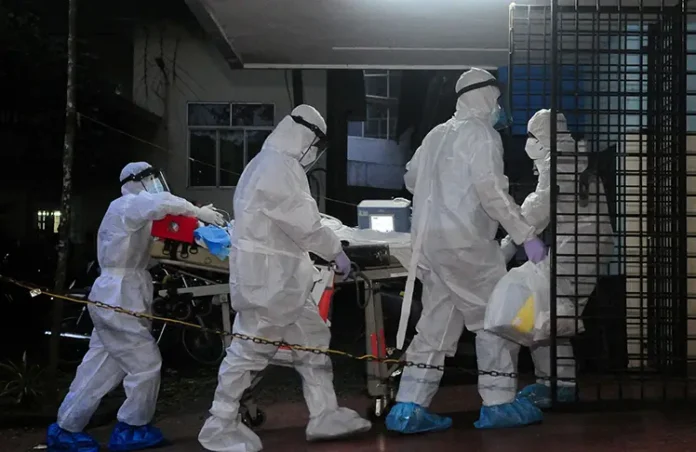
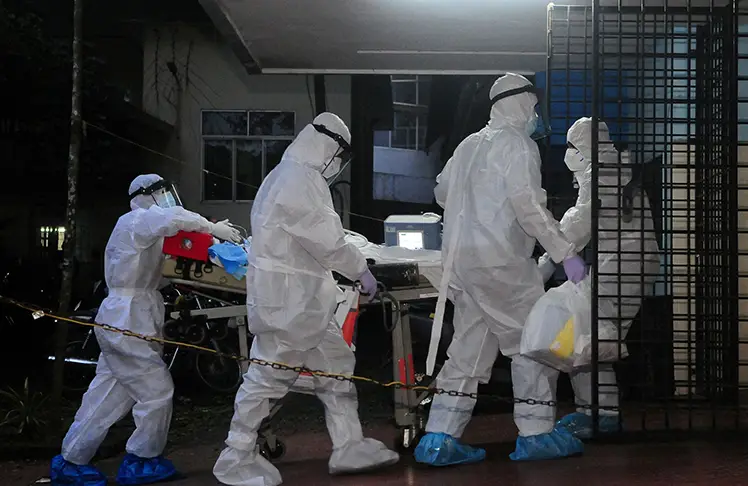
Two Nipah virus cases have been confirmed in eastern India, the World Health Organization says. (CK Thanseer/Reuters via CNN Newsource)
Two Nipah virus cases have been confirmed in eastern India, the World Health Organization says. (CK Thanseer/Reuters via CNN Newsource)
By Michal Ruprecht, CNN
(CNN) — The World Health Organization reported two cases of a rare virus in an eastern Indian state on Thursday.
The virus — called Nipah — kills more than half of the people it infects. Nipah virus, which was named after the village in Malaysia where the first known patient lived, is part of the same family of viruses as measles. Despite that, it’s not as infectious as measles, but it is significantly more deadly.
How is it transmitted?
Nipah is a zoonotic virus, meaning it can be transmitted from animals to humans. Most commonly, that happens through direct contact with an infected pig or bat, according to the US Centers for Disease Control and Prevention. Eating fruits or fruit products — such as raw date palm juice — contaminated with urine or saliva from infected fruit bats also contributes to spread.
It can also spread directly from person to person. Transmission, however, occurs through very close contact with the infected individual.
What are the signs of illness?
It can take four to 14 days for symptoms to appear after a person is infected, according to WHO, and asymptomatic cases are rare.
The first signs of infection are non-specific and include flu-like symptoms like fever, headaches, muscle pain, vomiting and sore throat. In about two-thirds of patients, the disease rapidly progresses, and coma can strike within five to seven days. Some infections also lead to respiratory symptoms like cough and abnormal chest X-rays.
Most patients show changes in the fluid that surrounds the brain, commonly seen in other viral brain infections. Changes caused by tissue death can be seen on brain imaging, and electrical activity of the brain predicts the severity of the disease.
How dangerous is it?
The virus is classified by the CDC as biosafety level four — the highest category, with the most dangerous pathogens like Ebola — and it has the potential to serve as an agent for bioterrorism.
Though there have been only a few outbreaks, Nipah is considered a public health threat because of its high case fatality rate, potential for human-to-human transmission, capacity to cause outbreaks and lack of approved vaccines or treatment.
In severe cases, the virus can attack parts of the brain that control basic life functions like eye movement, heart rate and blood pressure, causing permanent damage.
Those who survive often experience fatigue and changes in how their nervous system works. These effects often persist for years.
How is it diagnosed?
Testing is often done using a sample of blood to detect and quantify specific proteins.
How is it treated?
There is no vaccine or drug specifically for Nipah. Doctors provide supportive care, and patients who develop severe neurological symptoms may need help breathing.
A drug called ribavirin — which is approved to be used with other drugs to treat chronic hepatitis C — may offer some benefit, though results are mixed.
The upshot is that doctors focus on prevention by reducing the risk of animal-to-human transmission and implementing infection control measures when working with infected people.
Where do outbreaks occur?
Nipah outbreaks happen nearly every year in parts of Asia, often in Bangladesh, India, Malaysia, the Philippines and Singapore, with Bangladesh recording the highest number of infections. That’s because the fruit bats that transmit the virus — among the largest bats in the world — are native to these regions.
The virus typically spreads from December to May, during bat breeding season and date palm sap harvesting season.
Nipah virus has also been found in bats from China, Cambodia, Thailand, Madagascar and Ghana. A Nipah case has never been reported in the US.
How common is it?
It’s very rare. As of 2024, about 754 cases have been reported globally, though that figure is probably underestimated.
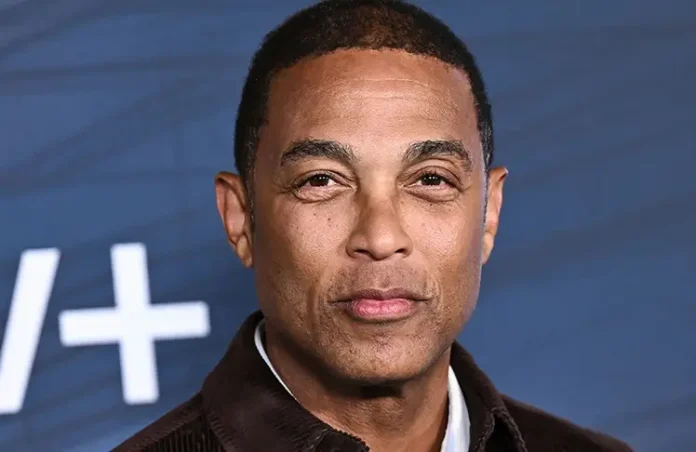
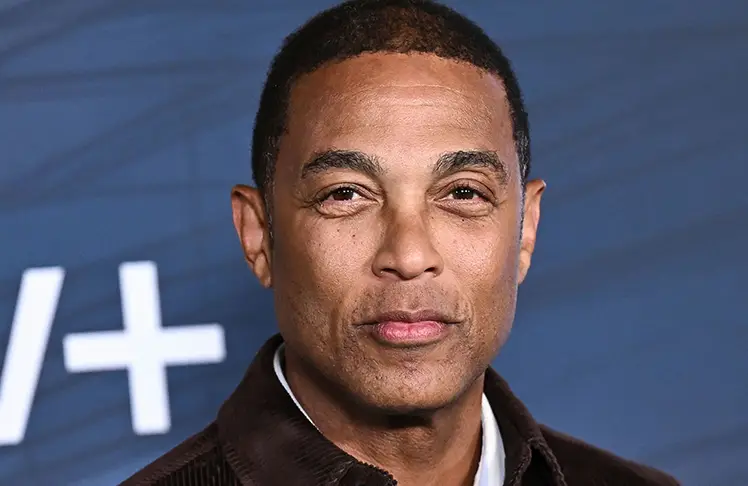
Don Lemon is seen at The Museum of Modern Art on Tuesday, September 9, 2025, in New York. (Evan Agostini/Invision/AP/File via CNN Newsource)
Don Lemon is seen at The Museum of Modern Art on Tuesday, September 9, 2025, in New York. (Evan Agostini/Invision/AP/File via CNN Newsource)
By Kara Scannell, Hannah Rabinowitz, Brian Stelter, Liam Reilly, CNN
(CNN) — Two independent journalists, Don Lemon and Georgia Fort, have been arrested in connection with a protest at a church in St. Paul, Minnesota.
Lemon and Fort were live-streaming as dozens of anti-Immigration and Customs Enforcement protesters rushed into Cities Church on January 18, interrupting a church service and leading to tense confrontations.
Attorney General Pam Bondi on Friday announced said four people total had been arrested “in connection with the coordinated attack” at the church.
The other two individuals Bondi named were Trahern Jeen Crew and Jamael Lydell Lundy.
Court records related to the arrests were not immediately available. Lemon, a former CNN anchor who now hosts his own show on YouTube and other platforms, is expected to appear in federal court in Los Angeles on Friday.
Lemon was in L.A. to cover the Grammy Awards and was arrested after 11 p.m. local time in a hotel lobby in Beverly Hills.
“Don has been a journalist for 30 years, and his constitutionally protected work in Minneapolis was no different than what he has always done,” Lemon’s attorney, Abbe Lowell, said in a statement Friday morning. “The First Amendment exists to protect journalists whose role it is to shine light on the truth and hold those in power accountable.”
“Instead of investigating the federal agents who killed two peaceful Minnesota protesters, the Trump Justice Department is devoting its time, attention and resources to this arrest, and that is the real indictment of wrongdoing in this case,” Lowell added. “This unprecedented attack on the First Amendment and transparent attempt to distract attention from the many crises facing this administration will not stand. Don will fight these charges vigorously and thoroughly in court.”
Lemon has repeatedly said he was present at the demonstration as a journalist, not as an activist. In a video of the episode that he posted to YouTube, Lemon said, “I’m just here photographing, I’m not part of the group… I’m a journalist.”
Fort made the same points in a Facebook Live stream when federal agents arrived at her home early Friday morning.
“This is all stemming from the fact that I filmed a protest as a member of the media,” Fort said before she surrendered to agents.
“We are supposed to have our constitutional right of the freedom to film, to be a member of the press,” she said. “I don’t feel like I have my First Amendment right as a member of the press because now federal agents are at my door arresting me for filming the church protest a few weeks ago.”
Minnesota Attorney General Keith Ellison said in a statement that the arrests are “deeply troubling,” adding: “In Minnesota, we do not treat journalists like criminals for doing their jobs. No one should be arrested merely for holding a camera, asking hard questions, or telling the public what we have a right to know.”
A previous attempt to charge Lemon
Videos of the church disruption spurred widespread outrage, particularly from allies of the Trump administration, some of whom publicly pressured Bondi and other officials to take action.
The DOJ first attempted to charge eight people, including Lemon, last week. A magistrate judge rejected those charges against five of the people including Lemon, saying that there was insufficient evidence to charge.
The judge, however, encouraged prosecutors to take the case to a grand jury and seek an indictment. And Lemon on his YouTube show that the government would try again to charge him.
“Keep trying,” Lemon said. “That’s not gonna stop me from being a journalist. You’re not gonna diminish my voice.”
It is highly unusual for the Justice Department to criminally charge a reporter, though it is not without precedent. Those cases are heavily scrutinized before the decision to bring charges is made, and often face extended legal battles over whether the reporter is protected by the First Amendment before the case makes it to trial.
Still, senior DOJ officials immediately — and publicly — asserted that Lemon would face charges after the incident at the Minnesota church. Lemon did not have a right to be on the church’s private property, they said, adding that interrupting a church service may have impeded churchgoers’ constitutional rights to express their religion.
On Friday morning, FBI director Kash Patel called what happened a “coordinated targeting” of the church.
Press freedom advocates condemn arrests
Press freedom groups blasted the arrests of the two reporters on Friday.
“These arrests under bogus legal theories for obviously constitutionally protected reporting are clear warning shots aimed at other journalists,” said Seth Stern, the chief of advocacy at Freedom of the Press Foundation. “The unmistakable message is that journalists must tread cautiously because the government is looking for any way to target them.”
Stern told CNN “the answer to this outrageous attack is not fear or self-censorship. It’s an even stronger commitment to journalism, the truth, and the First Amendment. If the Trump administration thinks it can bully journalists into submission, it is wrong.”
Katherine Jacobsen, the US, Canada and Caribbean Program Coordinator at the Committee to Protect Journalists, said Lemon’s arrest “should alarm all Americans.”
“As an international organization, we know that the treatment of journalists is an indicator of the condition of a country’s democracy. The United States is doing poorly,” Jacobsen said.
Lisa Gilbert, co-president of the nonprofit advocacy group Public Citizen, called the action against Lemon an “authoritarian breach” and an “egregious violation of the First Amendment.”
“Reporters in America are free to view, document, and share information with the public,” Gilbert said. “This arrest is a constitutional violation, an outrage, an authoritarian breach, and utterly appalling.”
CNN also issued a statement in defense of Lemon, who was terminated by the network in 2023.
“The FBl’s arrest of our former CNN colleague Don Lemon raises profoundly concerning questions about press freedom and the First Amendment,” the network said. “The Department of Justice already failed twice to get an arrest warrant for Don and several other journalists in Minnesota, where a chief judge of the Minnesota Federal District Court found there was ’no evidence’ that there was any criminal behavior involved in their work. The First Amendment in the United States protects journalists who bear witness to news and events as they unfold, ensuring they can report freely in the public interest, and the DOJ’s attempts to violate those rights is unacceptable. We will be following this case closely.”
This story has been updated with additional developments.
By Ahndrea L. Blue, Esquire — President & CEO, Making A Difference Foundation; Believer in Jesus Christ
Two tragic deaths in Minneapolis this month have shaken our nation and pierced the conscience of many — including mine. As I reflect on what has occurred, I do so broken-hearted and saddened, struggling to reconcile faith, courage, and the value of human life in a moment that feels deeply unjust.
I find myself asking a question that reaches to the core of Christian discipleship: Would I have the courage to lay down my life for another human being? As a believer in Christ, I want to believe that in a moment like the one faced by the gentleman in Minnesota, I would have stepped forward — that I would have had the courage to say “no,” to intervene, to act. But in honesty, I do not know. Would I have acted, or would I have stood on the sidelines and prayed? It is a sobering and humbling question.
I am not writing to debate the facts or litigate the circumstances surrounding this man’s death. Those matters belong to investigators and the courts. What I am compelled to say is this: shame on ICE, shame on a government system that continues to operate without sufficient accountability, and shame on believers who have chosen comfort, silence, or false narratives over truth.
Scripture reminds us through the story of Esther that there are moments when God places people in positions of influence “for such a time as this.” Mordecai’s charge to Esther was not gentle — it was urgent. Stand up, or remain silent and accept the consequences. That same challenge confronts believers today.
To my fellow Christians: this is our time. Our time to stand for people, for truth, and for Christ — even when it is unpopular, inconvenient, or costly. Faith is not passive. It requires courage, moral clarity, and a willingness to confront injustice rather than explain it away.
My sincere thoughts and prayers go out to this man’s family. I know that words may offer little comfort in the face of such loss. Still, I want them to know that God is a God of justice, that He sees, that He is not removed from their pain, and that He will have the final word in bringing truth to light and restoring what has been broken.
In this moment, I will be honest: I feel hopeless. And yet, I continue to trust that God is still sovereign, still present, and still working — even when the outcome feels unbearable and unclear. I do not understand why this has been allowed to unfold as it has, but I hold to the belief that no life is lost in vain in the eyes of God.
To those who are feeling afraid, confused, angry, or hopeless — I have no perfect answers. I only know where I stand. I stand in Christ. I write this because I do not know what else to do but to lay this at His feet and speak truth as best I can.